Tunisia Water Award
Ibn Shabbat Award
A scientific distinction recognizing excellence and innovation in sustainable water management in the Mediterranean region.
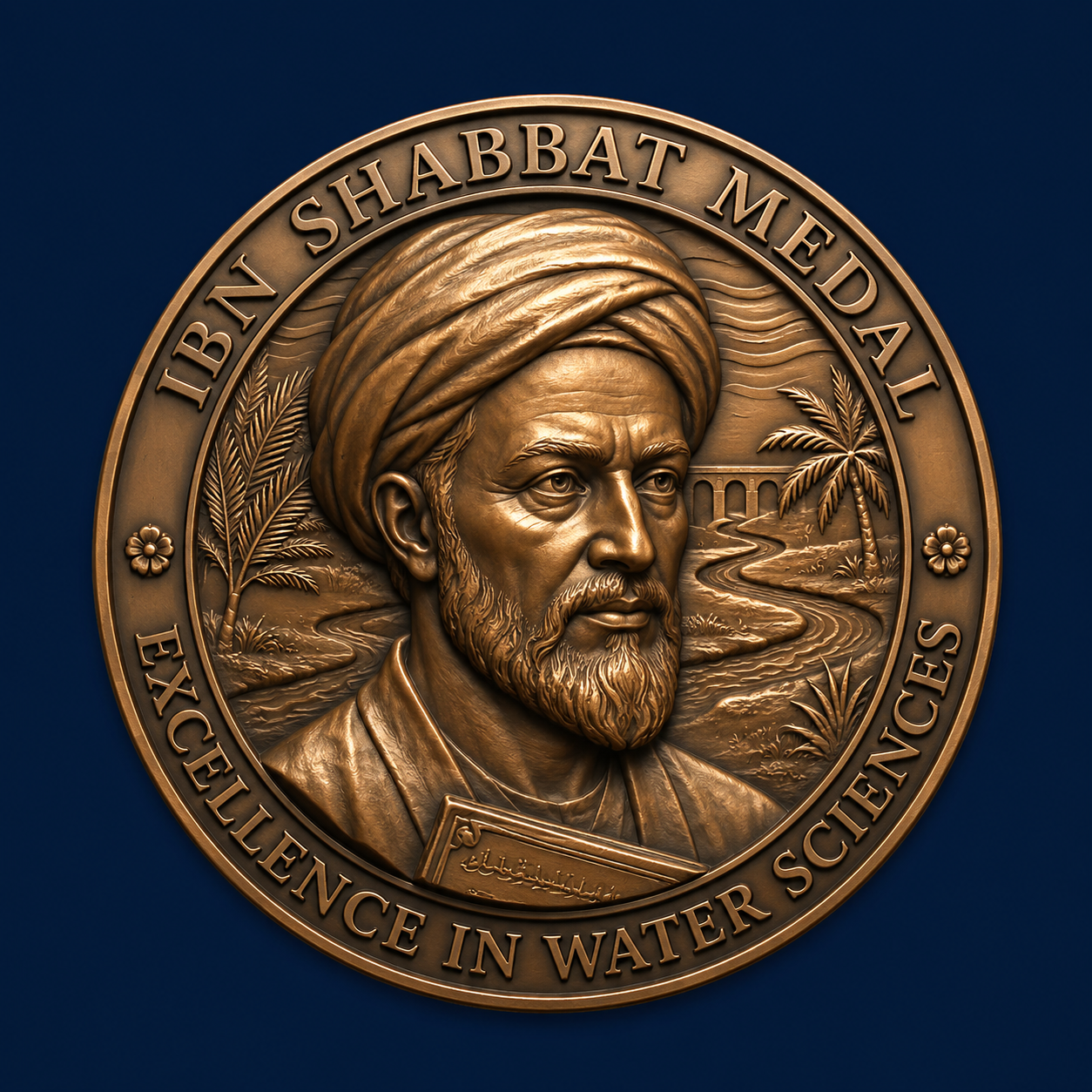
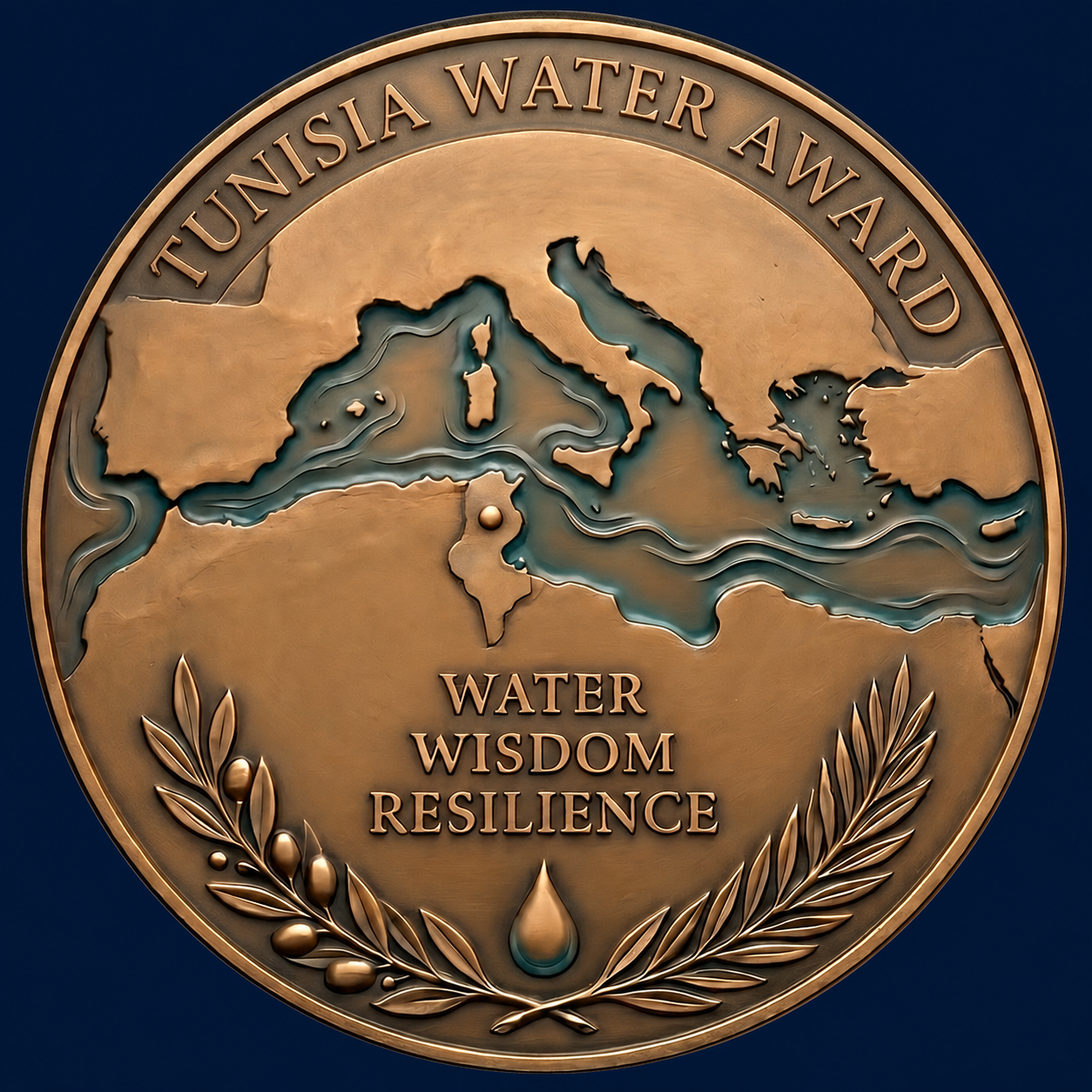
Honoring scientific excellence in water sciences
The Tunisia Water Award – Ibn Shabbat Award – launched in 2026, is a scientific distinction dedicated to recognizing outstanding contributions, excellence, and innovation in the field of water sciences.
The award was jointly developed by Dr. Sefeddine Jomaa from the Helmholtz Centre for Environmental Research (UFZ), Germany, and Prof. Slaheddine Khlifi from the Higher School of Engineers of Medjez El Bab (ESIM), Tunisia.
Named after Ibn Shabbat, a 13th-century Tunisian scholar renowned for his pioneering contributions to the Tozeur Oasis irrigation system, in southern Tunisia, which is still in use today. The award highlights the enduring link between scientific knowledge, historical heritage, and innovation in sustainable water management.
The first edition of the award was presented during the Sustain Tunis 2026 conference, marking the beginning of a long-term initiative to celebrate excellence in water sciences.
The award has been adopted by ESIM as an official distinction recognizing outstanding contributions to water sciences and sustainable water management.

Prof. Kamel Didan
Department of Biosystems Engineering,
University of Arizona, Tucson, U.S.A.
Prof. Kamel Didan is the inaugural laureate of the Tunisia Water Award – Ibn Shabbat Award, recognized for his major contributions to Earth observation, vegetation monitoring, and satellite-based environmental indicators supporting water and ecosystem assessment.
His work embodies the spirit of the award by combining scientific excellence, technological innovation, environmental observation, and sustainable water management.
The meaning behind the medal
The medal combines historical heritage, Mediterranean identity, and the shared responsibility of protecting water resources.
Front side
The front side features Ibn Shabbat, representing scientific heritage, traditional knowledge, and the historical importance of water management in Tunisia.
Reverse side
The reverse side presents the Mediterranean region, emphasizing shared water challenges, cooperation, resilience, and innovation.
Water · Wisdom · Resilience
Water
Protecting and managing vital water resources for communities, ecosystems, and future generations.
Wisdom
Connecting scientific knowledge with historical heritage and long-standing water management traditions.
Resilience
Supporting sustainable solutions for climate adaptation, water security, and ecosystem resilience.